
 Zachary Fulenwider just logged their first bowl. 0.00 OZ.Nathan Wituk just logged their first bowl. 25.08 OZ.9 emails sent to Chipotle corporate.Zachary Fulenwider just logged their first bowl. 0.00 OZ.Nathan Wituk just logged their first bowl. 25.08 OZ.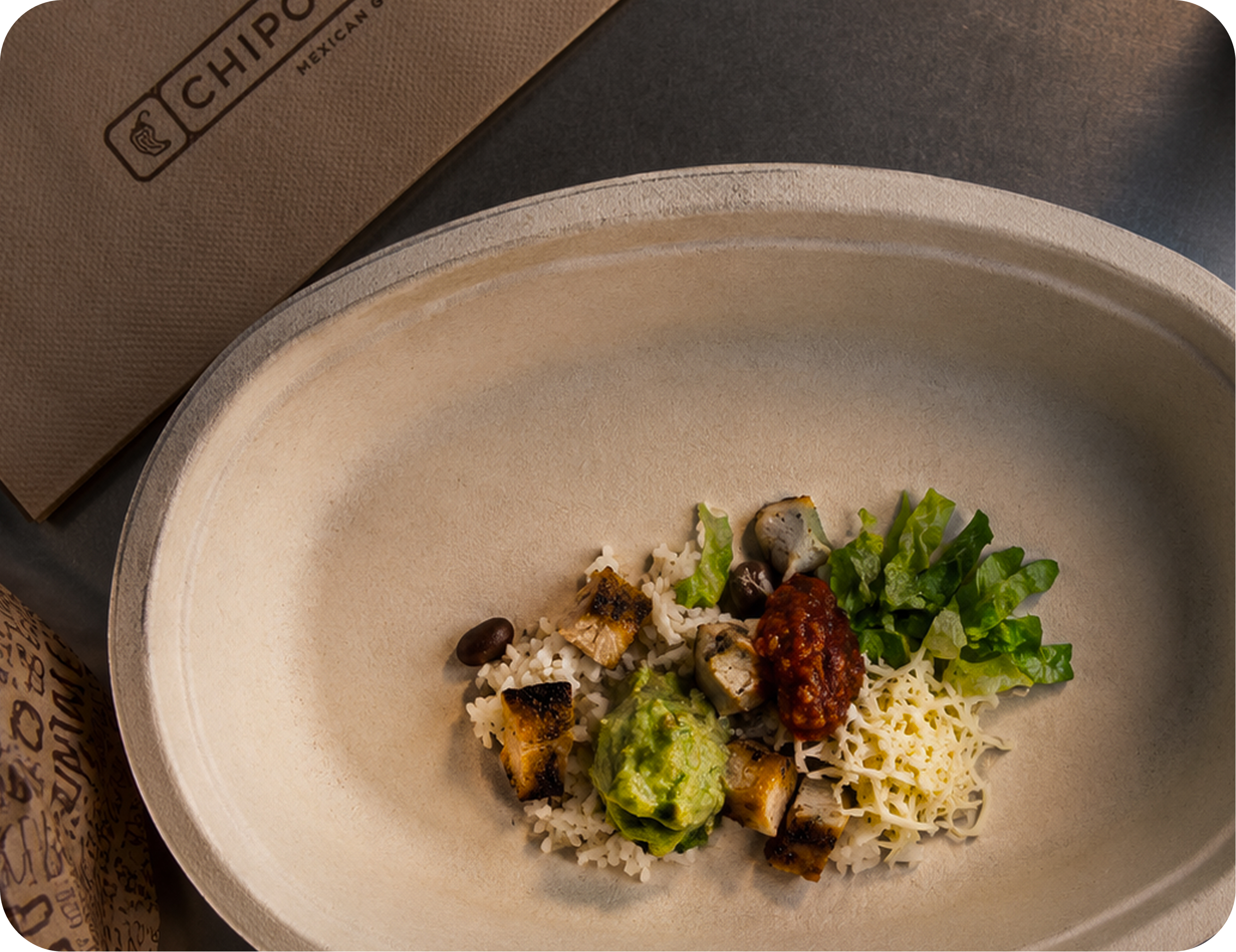
Our Mission

Find locations giving the best portions
Search the results of users' data.

Easily draft emails to corporate.
Compose auto-drafted emails to the Corporate office.

Showcase the results to Chipotle CEO
Get the attention of the CEO to implement scale-based orders.
Spam Chipotle
Corporate
9 emails sent to corporate
A Simple Fix for Portion Inconsistency
Hello Chipotle Team, I want to flag something that comes up repeatedly in customer conversations: portion sizes vary significantly from visit to visit and location to location. The fix seems straightforward. A scale at the assembly line would give your crew real-time feedback and hold every bowl to the same standard. Customers who track their orders have been documenting this variance for a while. You can see the data at nathanwituk.com/chipotle. This does not need to be a public-facing feature. It just needs to happen in the kitchen. A small operational change with a big trust payoff. Best,
Your Mobile Customers Can't See Their Food Being Made
Hello Chipotle Team, When a customer orders in person, they can watch their bowl being assembled and speak up if something looks light. Mobile and delivery customers have no such recourse. They receive whatever they receive. This creates an environment where under-portioned orders are effectively invisible to the customer until it is too late. The data at nathanwituk.com/chipotle shows that digital orders tend to score lower on reported portion weight. Adding scale verification at assembly would close this gap and give digital customers the same confidence that in-person customers can at least attempt to create for themselves. Best,
Your Customers Are Already Tracking This
Hello Chipotle Team, I thought you should know that customers have been systematically weighing their Chipotle bowls and logging the results. The dataset is growing and the variance is hard to ignore. You can see the data yourself at nathanwituk.com/chipotle. What stands out is not that portions are always small, it is that they are unpredictable. Some bowls hit 30+ ounces. Others barely reach 18. The same order, the same price, very different experiences. A portion standard enforced by scale verification would make this dataset a lot more boring. That would be a good thing. Best,
Portion Inconsistency Is a Retention Problem
Hello Chipotle Team, Customer retention in fast casual is driven largely by consistent experience. When a customer receives a notably different portion from their last visit, the reaction is almost never neutral. The data at nathanwituk.com/chipotle shows a clear pattern: customers who log consistently lighter bowls reduce their visit frequency. The loss is not dramatic in any single case, but across millions of customers it adds up. Scale verification would not just be a fairness measure. It would be a retention strategy. Best,
An Opportunity to Lead on Portion Transparency
Hello Chipotle Team, No major fast-casual chain has committed to weight-based portion standards. That means there is a meaningful first-mover opportunity sitting unclaimed. The appetite for this kind of transparency is documented. Customers at nathanwituk.com/chipotle have been tracking portion weights voluntarily for months. They want to know what they are getting, and right now the answer is: it depends on who is working. Being the first brand to publish portion weight standards and enforce them with in-store scales would be genuinely differentiating. It would also be honest. Best,
Scales Could Be Your Best Training Tool
Hello Chipotle Team, New crew members learn portioning by feel and by watching experienced staff. The problem is that experienced staff also vary significantly from each other, as the customer data at nathanwituk.com/chipotle makes clear. A scale at the assembly line would give every crew member instant, objective feedback during training and after. It removes the ambiguity from portioning and gives managers a concrete standard to uphold across shifts. The investment in equipment is small. The improvement in consistency, and therefore in customer satisfaction, would be measurable. Best,
Publishing Portion Weights Would Be a Bold Brand Move
Hello Chipotle Team, Chipotle has a reputation for being a more honest, transparent fast-food option. Publishing average portion weights by ingredient would be a natural extension of that positioning. Customers are already doing this work informally. The data is at nathanwituk.com/chipotle. It would be more powerful coming from you, and it would signal a commitment to consistency that marketing copy alone cannot convey. A company that tells customers exactly how much chicken goes in a bowl and then delivers it reliably is a company customers trust. Best,
Same Price, Same Amount: A Simple Standard
Hello Chipotle Team, The premise of your menu is straightforward: a customer orders a bowl, they receive a bowl. But the actual weight of that bowl varies by 10 or more ounces depending on the location, the time of day, and who happens to be working. Customers documenting this at nathanwituk.com/chipotle are not trying to extract extra food. They are asking for the same amount they paid for, consistently, every time. A weight-based portion standard enforced at the assembly line would honor that expectation. Same price, same amount. Best,
Portion Complaints Are Louder Than You Might Think
Hello Chipotle Team, Portion inconsistency is one of the most consistent themes across Chipotle customer conversations on social media, Reddit, and review platforms. Customers notice, and they talk about it. The data at nathanwituk.com/chipotle adds structure to what has largely been anecdotal. Systematic tracking confirms what customers have been saying: the variance is real and it is significant. Addressing this proactively, before it becomes a bigger PR conversation, would demonstrate that Chipotle takes customer feedback seriously. Best,
Your Calorie Counts Depend on Portion Accuracy
Hello Chipotle Team, Chipotle provides detailed nutritional information for your menu items. That information is calculated based on assumed portion sizes. When portions vary by 30 to 50 percent depending on who is assembling the order, the nutritional estimates become largely fictional. Customers who are tracking macros or managing health conditions rely on those estimates. The data at nathanwituk.com/chipotle shows the portion variance that makes reliable nutritional tracking nearly impossible. Scale verification would make your posted nutritional information actually accurate, which seems like a basic obligation given that you publish it. Best,
Consistency Across Locations Is a Brand Promise
Hello Chipotle Team, One of the implicit promises of a national chain is that the experience is consistent regardless of location. A customer who loves a Chipotle in Austin should expect the same bowl in Seattle. The data at nathanwituk.com/chipotle tells a different story. Location-to-location variance in portion weight is significant. The same order can weigh 20 ounces at one location and 30 at another, for the same price. Scale-based portioning would bring your locations in line with the consistency promise that being a national brand implicitly makes. Best,
One Change That Could Move Your Satisfaction Scores
Hello Chipotle Team, Customer satisfaction in fast casual correlates closely with perceived value, and perceived value correlates closely with portion size. When a customer feels they received less than expected, the entire experience is colored by that. Customers at nathanwituk.com/chipotle have been documenting this connection between portion weight and satisfaction over time. The pattern is consistent. A scale verification step at assembly is one of the highest-leverage changes Chipotle could make to systematically improve customer satisfaction scores across locations. Best,
Your Digital Customers Have Higher Expectations
Hello Chipotle Team, Customers who order through your app have already self-selected for brand loyalty. They have downloaded your app, created an account, and chosen to order in advance. They are your most engaged segment. These same customers are the most vocal about portion inconsistency because they order frequently enough to notice the variance. The data at nathanwituk.com/chipotle reflects this pattern clearly. A scale verification system would protect and deepen the loyalty of the customers who are already most invested in your brand. Best,
Scale Verification Could Actually Save You Money
Hello Chipotle Team, The conversation around portion inconsistency usually focuses on customers receiving too little. But the variance goes both ways. Some orders are significantly over-portioned, which represents a real food cost that adds up at scale. The data at nathanwituk.com/chipotle shows a wide distribution of portion weights. Standardizing portions with scale verification would reduce both under- and over-portioning, improving cost predictability alongside customer satisfaction. This is a case where the business case and the customer experience case point in the same direction. Best,
The Portion Problem Is Worse for Delivery Orders
Hello Chipotle Team, Delivery orders face a compounding version of the portion problem. Customers cannot observe assembly, cannot request adjustments, and by the time they open the bag the food has been in transit. A light bowl on delivery is a frustrating experience with no recourse. Third-party platforms amplify this because any complaint lands on the delivery service rather than on Chipotle. Customers learn to blame the ordering experience, not just the portion. A scale standard at assembly would protect the delivery experience specifically, where the stakes for getting it right are highest. The customer data is at nathanwituk.com/chipotle. Best,
Your Most Loyal Customers Notice Every Time
Hello Chipotle Team, Customers who eat at Chipotle multiple times a week have a very precise mental model of what a correct bowl looks and weighs. They notice immediately when a bowl is light, and the tracking data at nathanwituk.com/chipotle comes largely from this group. These are your highest-value customers in terms of lifetime spend. They are also the most likely to reduce frequency when they feel the experience has degraded. Protecting the loyalty of this segment by enforcing consistent portions is, quite simply, good business. Best,
Value Perception Is Everything in Fast Casual
Hello Chipotle Team, Chipotle's price point is premium relative to traditional fast food. Customers accept that premium because they believe they are getting quality and quantity in return. Portion inconsistency undermines that belief. When a customer pays $12 for a bowl and receives noticeably less than they got last time, the value calculation shifts. The data at nathanwituk.com/chipotle shows this happening across locations and order types. A consistent, verifiable portion standard would justify the price point and remove the uncertainty that erodes perceived value. Best,
A 30-Day Pilot Is All It Would Take
Hello Chipotle Team, I am not asking for a company-wide policy change. I am asking for a pilot. Select five locations, introduce a scale at the assembly line, and track portion weights and customer satisfaction scores over 30 days. Compare to five control locations. The data at nathanwituk.com/chipotle already provides a baseline. The cost of the equipment is negligible. The potential insight, and the potential customer satisfaction improvement, is significant. If the data does not support it, you have lost nothing. Best,
Scale Verification Cuts Waste in Both Directions
Hello Chipotle Team, Portion inconsistency is often framed as a customer problem, but it is equally an operations problem. Over-portioning is food waste, and at Chipotle's volume, small per-order differences become meaningful cost and sustainability issues. The data at nathanwituk.com/chipotle shows that the variance goes both ways. Some orders run 10 or more ounces over what a typical order weighs. That is real food and real cost leaving the line inconsistently. Scale verification would give your operations team the data to right-size portions from both ends, improving cost efficiency alongside customer fairness. Best,
Customers Are Holding You Accountable, Kindly
Hello Chipotle Team, I want to frame this as a friendly data handoff rather than a complaint. Customers have been building a public record of Chipotle portion weights because the inconsistency was hard to ignore and worth documenting. You can see the dataset at nathanwituk.com/chipotle. It is not a gotcha, it is a resource. The goal has always been consistent, fair portions for everyone, and we thought the data might help make the case internally. Scale verification would make this dataset obsolete. We would genuinely love for that to happen. Best,
Trust Is Hard to Build and Easy to Lose
Hello Chipotle Team, Chipotle has spent years building a reputation for quality and integrity. Portion inconsistency is the kind of issue that quietly erodes that reputation because it happens at scale, invisibly, one light bowl at a time. Customers do not always complain. They just start ordering less. Or they start talking to their friends. The data at nathanwituk.com/chipotle captures some of this, but the actual impact on brand perception is larger than any tracker can measure. A verifiable portion standard would close this gap before it becomes a bigger story. Best,
Why Does the Same Bowl Weigh Different Things in Different Cities?
Hello Chipotle Team, A customer recently weighed their Chipotle bowl at 19 ounces. Another customer ordered the same items across the country and weighed theirs at 29 ounces. Same menu, same price. The data documenting this kind of location-level variance is growing at nathanwituk.com/chipotle. What stands out is not that any single location is doing something wrong, it is that there is no standard holding them all to the same output. A weight-based portion standard would answer this question by making sure it does not keep happening. Best,
Nutritional Transparency Starts with Portion Control
Hello Chipotle Team, Customers choosing Chipotle for health reasons rely on your nutritional data to make informed decisions. That data assumes consistent portions. When portions vary significantly, as the tracking data at nathanwituk.com/chipotle shows, the nutritional information you publish becomes an estimate at best. Customers managing specific dietary requirements deserve better than a range. They deserve the consistency that your nutritional labeling implies. Scale verification would make your nutritional commitments real, not just aspirational. Best,
The Inconsistency Is Already Being Documented
Hello Chipotle Team, I want to make sure you are aware that customers have been systematically tracking Chipotle bowl weights and publishing the results. The project is at nathanwituk.com/chipotle, and it has been growing. The data is not being collected to embarrass the brand. It was built because customers wanted to understand whether their experience was typical or an outlier. It turns out the variance is wide enough that most experiences are typical, just at very different ends of the scale. Proactively addressing portion consistency would make this dataset a historical artifact rather than an ongoing record. Best,
We Just Want to Know What We're Getting
Hello Chipotle Team, This comes down to something simple: customers want to know what they are ordering. A bowl should weigh roughly the same on Monday as it does on Friday, at your Chicago location as it does at your Denver location, with this crew member as with that one. The data at nathanwituk.com/chipotle shows that is not currently the case. Scale verification is not a revolutionary idea. It is a standard quality control measure. We are asking for the kind of consistency that any customer ordering a meal by name should be able to expect. Best,
A Simple Fix for Portion Inconsistency
Hello Chipotle Team, I want to flag something that comes up repeatedly in customer conversations: portion sizes vary significantly from visit to visit and location to location. The fix seems straightforward. A scale at the assembly line would give your crew real-time feedback and hold every bowl to the same standard. Customers who track their orders have been documenting this variance for a while. You can see the data at nathanwituk.com/chipotle. This does not need to be a public-facing feature. It just needs to happen in the kitchen. A small operational change with a big trust payoff. Best,
Your Mobile Customers Can't See Their Food Being Made
Hello Chipotle Team, When a customer orders in person, they can watch their bowl being assembled and speak up if something looks light. Mobile and delivery customers have no such recourse. They receive whatever they receive. This creates an environment where under-portioned orders are effectively invisible to the customer until it is too late. The data at nathanwituk.com/chipotle shows that digital orders tend to score lower on reported portion weight. Adding scale verification at assembly would close this gap and give digital customers the same confidence that in-person customers can at least attempt to create for themselves. Best,
Your Customers Are Already Tracking This
Hello Chipotle Team, I thought you should know that customers have been systematically weighing their Chipotle bowls and logging the results. The dataset is growing and the variance is hard to ignore. You can see the data yourself at nathanwituk.com/chipotle. What stands out is not that portions are always small, it is that they are unpredictable. Some bowls hit 30+ ounces. Others barely reach 18. The same order, the same price, very different experiences. A portion standard enforced by scale verification would make this dataset a lot more boring. That would be a good thing. Best,
Portion Inconsistency Is a Retention Problem
Hello Chipotle Team, Customer retention in fast casual is driven largely by consistent experience. When a customer receives a notably different portion from their last visit, the reaction is almost never neutral. The data at nathanwituk.com/chipotle shows a clear pattern: customers who log consistently lighter bowls reduce their visit frequency. The loss is not dramatic in any single case, but across millions of customers it adds up. Scale verification would not just be a fairness measure. It would be a retention strategy. Best,
An Opportunity to Lead on Portion Transparency
Hello Chipotle Team, No major fast-casual chain has committed to weight-based portion standards. That means there is a meaningful first-mover opportunity sitting unclaimed. The appetite for this kind of transparency is documented. Customers at nathanwituk.com/chipotle have been tracking portion weights voluntarily for months. They want to know what they are getting, and right now the answer is: it depends on who is working. Being the first brand to publish portion weight standards and enforce them with in-store scales would be genuinely differentiating. It would also be honest. Best,
Scales Could Be Your Best Training Tool
Hello Chipotle Team, New crew members learn portioning by feel and by watching experienced staff. The problem is that experienced staff also vary significantly from each other, as the customer data at nathanwituk.com/chipotle makes clear. A scale at the assembly line would give every crew member instant, objective feedback during training and after. It removes the ambiguity from portioning and gives managers a concrete standard to uphold across shifts. The investment in equipment is small. The improvement in consistency, and therefore in customer satisfaction, would be measurable. Best,
Publishing Portion Weights Would Be a Bold Brand Move
Hello Chipotle Team, Chipotle has a reputation for being a more honest, transparent fast-food option. Publishing average portion weights by ingredient would be a natural extension of that positioning. Customers are already doing this work informally. The data is at nathanwituk.com/chipotle. It would be more powerful coming from you, and it would signal a commitment to consistency that marketing copy alone cannot convey. A company that tells customers exactly how much chicken goes in a bowl and then delivers it reliably is a company customers trust. Best,
Same Price, Same Amount: A Simple Standard
Hello Chipotle Team, The premise of your menu is straightforward: a customer orders a bowl, they receive a bowl. But the actual weight of that bowl varies by 10 or more ounces depending on the location, the time of day, and who happens to be working. Customers documenting this at nathanwituk.com/chipotle are not trying to extract extra food. They are asking for the same amount they paid for, consistently, every time. A weight-based portion standard enforced at the assembly line would honor that expectation. Same price, same amount. Best,
Portion Complaints Are Louder Than You Might Think
Hello Chipotle Team, Portion inconsistency is one of the most consistent themes across Chipotle customer conversations on social media, Reddit, and review platforms. Customers notice, and they talk about it. The data at nathanwituk.com/chipotle adds structure to what has largely been anecdotal. Systematic tracking confirms what customers have been saying: the variance is real and it is significant. Addressing this proactively, before it becomes a bigger PR conversation, would demonstrate that Chipotle takes customer feedback seriously. Best,
Your Calorie Counts Depend on Portion Accuracy
Hello Chipotle Team, Chipotle provides detailed nutritional information for your menu items. That information is calculated based on assumed portion sizes. When portions vary by 30 to 50 percent depending on who is assembling the order, the nutritional estimates become largely fictional. Customers who are tracking macros or managing health conditions rely on those estimates. The data at nathanwituk.com/chipotle shows the portion variance that makes reliable nutritional tracking nearly impossible. Scale verification would make your posted nutritional information actually accurate, which seems like a basic obligation given that you publish it. Best,
Consistency Across Locations Is a Brand Promise
Hello Chipotle Team, One of the implicit promises of a national chain is that the experience is consistent regardless of location. A customer who loves a Chipotle in Austin should expect the same bowl in Seattle. The data at nathanwituk.com/chipotle tells a different story. Location-to-location variance in portion weight is significant. The same order can weigh 20 ounces at one location and 30 at another, for the same price. Scale-based portioning would bring your locations in line with the consistency promise that being a national brand implicitly makes. Best,
One Change That Could Move Your Satisfaction Scores
Hello Chipotle Team, Customer satisfaction in fast casual correlates closely with perceived value, and perceived value correlates closely with portion size. When a customer feels they received less than expected, the entire experience is colored by that. Customers at nathanwituk.com/chipotle have been documenting this connection between portion weight and satisfaction over time. The pattern is consistent. A scale verification step at assembly is one of the highest-leverage changes Chipotle could make to systematically improve customer satisfaction scores across locations. Best,
Your Digital Customers Have Higher Expectations
Hello Chipotle Team, Customers who order through your app have already self-selected for brand loyalty. They have downloaded your app, created an account, and chosen to order in advance. They are your most engaged segment. These same customers are the most vocal about portion inconsistency because they order frequently enough to notice the variance. The data at nathanwituk.com/chipotle reflects this pattern clearly. A scale verification system would protect and deepen the loyalty of the customers who are already most invested in your brand. Best,
Scale Verification Could Actually Save You Money
Hello Chipotle Team, The conversation around portion inconsistency usually focuses on customers receiving too little. But the variance goes both ways. Some orders are significantly over-portioned, which represents a real food cost that adds up at scale. The data at nathanwituk.com/chipotle shows a wide distribution of portion weights. Standardizing portions with scale verification would reduce both under- and over-portioning, improving cost predictability alongside customer satisfaction. This is a case where the business case and the customer experience case point in the same direction. Best,
The Portion Problem Is Worse for Delivery Orders
Hello Chipotle Team, Delivery orders face a compounding version of the portion problem. Customers cannot observe assembly, cannot request adjustments, and by the time they open the bag the food has been in transit. A light bowl on delivery is a frustrating experience with no recourse. Third-party platforms amplify this because any complaint lands on the delivery service rather than on Chipotle. Customers learn to blame the ordering experience, not just the portion. A scale standard at assembly would protect the delivery experience specifically, where the stakes for getting it right are highest. The customer data is at nathanwituk.com/chipotle. Best,
Your Most Loyal Customers Notice Every Time
Hello Chipotle Team, Customers who eat at Chipotle multiple times a week have a very precise mental model of what a correct bowl looks and weighs. They notice immediately when a bowl is light, and the tracking data at nathanwituk.com/chipotle comes largely from this group. These are your highest-value customers in terms of lifetime spend. They are also the most likely to reduce frequency when they feel the experience has degraded. Protecting the loyalty of this segment by enforcing consistent portions is, quite simply, good business. Best,
Value Perception Is Everything in Fast Casual
Hello Chipotle Team, Chipotle's price point is premium relative to traditional fast food. Customers accept that premium because they believe they are getting quality and quantity in return. Portion inconsistency undermines that belief. When a customer pays $12 for a bowl and receives noticeably less than they got last time, the value calculation shifts. The data at nathanwituk.com/chipotle shows this happening across locations and order types. A consistent, verifiable portion standard would justify the price point and remove the uncertainty that erodes perceived value. Best,
A 30-Day Pilot Is All It Would Take
Hello Chipotle Team, I am not asking for a company-wide policy change. I am asking for a pilot. Select five locations, introduce a scale at the assembly line, and track portion weights and customer satisfaction scores over 30 days. Compare to five control locations. The data at nathanwituk.com/chipotle already provides a baseline. The cost of the equipment is negligible. The potential insight, and the potential customer satisfaction improvement, is significant. If the data does not support it, you have lost nothing. Best,
Scale Verification Cuts Waste in Both Directions
Hello Chipotle Team, Portion inconsistency is often framed as a customer problem, but it is equally an operations problem. Over-portioning is food waste, and at Chipotle's volume, small per-order differences become meaningful cost and sustainability issues. The data at nathanwituk.com/chipotle shows that the variance goes both ways. Some orders run 10 or more ounces over what a typical order weighs. That is real food and real cost leaving the line inconsistently. Scale verification would give your operations team the data to right-size portions from both ends, improving cost efficiency alongside customer fairness. Best,
Customers Are Holding You Accountable, Kindly
Hello Chipotle Team, I want to frame this as a friendly data handoff rather than a complaint. Customers have been building a public record of Chipotle portion weights because the inconsistency was hard to ignore and worth documenting. You can see the dataset at nathanwituk.com/chipotle. It is not a gotcha, it is a resource. The goal has always been consistent, fair portions for everyone, and we thought the data might help make the case internally. Scale verification would make this dataset obsolete. We would genuinely love for that to happen. Best,
Trust Is Hard to Build and Easy to Lose
Hello Chipotle Team, Chipotle has spent years building a reputation for quality and integrity. Portion inconsistency is the kind of issue that quietly erodes that reputation because it happens at scale, invisibly, one light bowl at a time. Customers do not always complain. They just start ordering less. Or they start talking to their friends. The data at nathanwituk.com/chipotle captures some of this, but the actual impact on brand perception is larger than any tracker can measure. A verifiable portion standard would close this gap before it becomes a bigger story. Best,
Why Does the Same Bowl Weigh Different Things in Different Cities?
Hello Chipotle Team, A customer recently weighed their Chipotle bowl at 19 ounces. Another customer ordered the same items across the country and weighed theirs at 29 ounces. Same menu, same price. The data documenting this kind of location-level variance is growing at nathanwituk.com/chipotle. What stands out is not that any single location is doing something wrong, it is that there is no standard holding them all to the same output. A weight-based portion standard would answer this question by making sure it does not keep happening. Best,
Nutritional Transparency Starts with Portion Control
Hello Chipotle Team, Customers choosing Chipotle for health reasons rely on your nutritional data to make informed decisions. That data assumes consistent portions. When portions vary significantly, as the tracking data at nathanwituk.com/chipotle shows, the nutritional information you publish becomes an estimate at best. Customers managing specific dietary requirements deserve better than a range. They deserve the consistency that your nutritional labeling implies. Scale verification would make your nutritional commitments real, not just aspirational. Best,
The Inconsistency Is Already Being Documented
Hello Chipotle Team, I want to make sure you are aware that customers have been systematically tracking Chipotle bowl weights and publishing the results. The project is at nathanwituk.com/chipotle, and it has been growing. The data is not being collected to embarrass the brand. It was built because customers wanted to understand whether their experience was typical or an outlier. It turns out the variance is wide enough that most experiences are typical, just at very different ends of the scale. Proactively addressing portion consistency would make this dataset a historical artifact rather than an ongoing record. Best,
We Just Want to Know What We're Getting
Hello Chipotle Team, This comes down to something simple: customers want to know what they are ordering. A bowl should weigh roughly the same on Monday as it does on Friday, at your Chicago location as it does at your Denver location, with this crew member as with that one. The data at nathanwituk.com/chipotle shows that is not currently the case. Scale verification is not a revolutionary idea. It is a standard quality control measure. We are asking for the kind of consistency that any customer ordering a meal by name should be able to expect. Best,